Global waste management faces a crisis point. For decades, the industry has relied on manual sorting lines and basic mechanical separators, systems that struggle to keep pace with the complex, contaminated waste streams of modern society.
As cities grow and consumption rises, traditional methods are proving too slow, too costly, and dangerously inefficient. The gap between what we throw away and what we successfully recover is widening, leading to overwhelmed landfills and lost resources.
Enter MataRecycler. This isn’t just an incremental update to conveyor belts; it represents a fundamental shift in how we process materials. By integrating advanced artificial intelligence, machine learning, and the Internet of Things (IoT), this technology addresses the core bottlenecks of traditional recycling.
It moves the industry away from human guesswork and toward data-driven precision. As we move through 2026, understanding these smart systems is no longer optional for sustainability professionals—it is the baseline for the future of the circular economy. This article explores the mechanics, impact, and future potential of this transformative technology.
Introduction – What Is MataRecycler and Why It Matters Today
The recycling sector has long been plagued by a “purity problem.” Contaminated batches—where pizza boxes mix with plastics or glass shards ruin paper streams—often render tons of potentially recyclable material useless.
Traditional facilities rely heavily on human pickers who face hazardous conditions and can only sort at a human speed. This bottleneck drives up costs and drives down recovery rates.
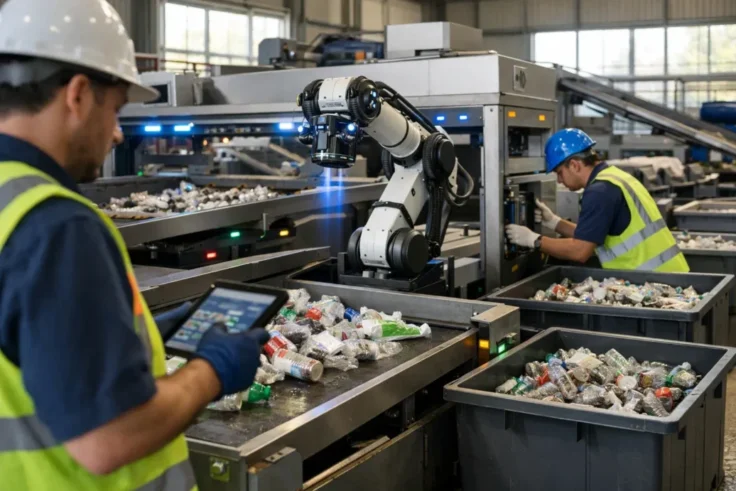
MataRecycler emerges as a direct response to these inefficiencies. It is a comprehensive system that utilizes computer vision and robotics to identify and sort waste with superhuman speed and accuracy.
Unlike static machinery, these systems learn over time. They analyze waste composition, adapt to new packaging types, and optimize sorting flows dynamically.
In 2026, the relevance of this technology has spiked due to stricter environmental regulations and the rising cost of raw materials. Municipalities are under pressure to meet “Zero Waste” targets, and corporations need certified recycled materials for their supply chains.
Smart recycling technology provides the verified data and high-purity output these stakeholders demand. It transforms waste management from a disposal service into a sophisticated materials recovery industry.
The Technology Foundation Behind MataRecycler
At the heart of any MataRecycler system lies a robust “tech stack” that rivals those found in advanced manufacturing or logistics centers. It isn’t magic; it is the convergence of three distinct technologies working in unison.
Artificial Intelligence in Material Identification
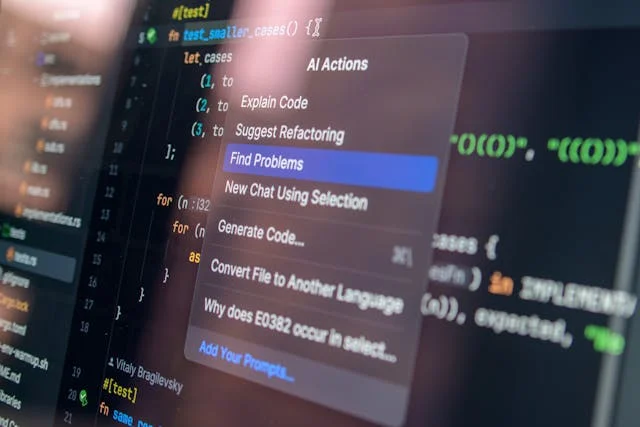
The brain of the operation is Artificial Intelligence, specifically computer vision models. Just as facial recognition unlocks a smartphone, these systems use industrial cameras to “see” waste on a fast-moving belt. The AI models are trained on millions of images of waste items—crushed cans, torn labels, dirty plastic bottles.
This training allows the system to identify an object not just by its shape, but by its brand, material type (e.g., PET vs. HDPE), and even its potential contamination level. This significantly improves accuracy compared to older optical sorters that relied solely on simple light reflection.
IoT Sensors and Smart Infrastructure
While AI provides the vision, the Internet of Things (IoT) provides the nervous system. MataRecycler units are embedded with a network of sensors that monitor everything from belt speed to robotic arm pressure. Scanners detect metal density, while near-infrared (NIR) sensors analyze chemical signatures.
This real-time data flow ensures the machinery is constantly communicating its status, preventing jams and optimizing energy usage based on the volume of waste being processed.
Data Analytics and Cloud Systems
All the data collected by cameras and sensors flows into a centralized cloud platform. Here, operators access intuitive dashboards that show exactly what is moving through the facility. They can track the percentage of PET plastic recovered versus the amount lost to residue. This performance tracking allows facility managers to make evidence-based decisions, adjusting system parameters to target specific high-value materials as market prices fluctuate.
How MataRecycler’s Smart Sorting System Actually Works
Understanding the workflow of a MataRecycler unit helps demystify the “black box” of AI waste management. The process begins the moment a truck dumps mixed waste onto the tipping floor. From there, raw material is fed onto a primary conveyor belt, where the smart sorting system takes over.
First, the waste input process involves spreading the material out. Overlapping items confuse sensors, so vibrational feeders disperse the trash into a single layer. As items pass under a scanning bridge, cameras and sensors capture hundreds of frames per second. The AI instantly processes these images, classifying every single object on the belt. “That is a Diet Coke can; that is a cardboard box; that is a battery.”
Once identified, the automated separation occurs. High-speed robotic arms, often utilizing suction grippers or air jets, deploy instantly. If the system spots a target item—say, a clear plastic bottle—the robot snatches it or an air jet blasts it into a specific chute. This happens in milliseconds.
Crucially, the system includes robust error handling. If an item is ambiguous or too damaged to identify, it is routed to a secondary loop or a manual inspection station, ensuring it doesn’t contaminate the pure streams. This continuous loop improves output quality, ensuring bales of recycled material meet the strict purity standards required by buyers.
Traditional Recycling Systems vs MataRecycler Technology
Comparing legacy infrastructure with modern MataRecycler solutions highlights the stark difference in operational capability. Traditional Material Recovery Facilities (MRFs) are mechanical beasts. They use trommels (large rotating drums) to sort by size and eddy currents to repel metals. While effective for bulk separation, they fail at nuance. They cannot tell the difference between a food-grade plastic tray and a non-food-grade plastic toy if they have similar physical properties.
Speed and Accuracy: A human picker might pick 30-40 items per minute. A robotic arm driven by MataRecycler technology can pick 80-100 items per minute, without breaks, fatigue, or injury risk. Furthermore, the accuracy of AI doesn’t degrade over an 8-hour shift.
Cost Efficiency: While the upfront capital expenditure for smart tech is higher, the long-term operational costs are lower. Traditional plants spend heavily on labor and suffer from high turnover rates due to the unpleasant nature of the work. Automation stabilizes these costs.
Environmental Impact: Perhaps most importantly, traditional systems send a significant percentage of recyclable material to landfills simply because they miss it. Smart systems capture these lost resources, directly improving the facility’s diversion rate and environmental footprint.
Environmental Impact of MataRecycler Technology
The deployment of MataRecycler systems goes beyond operational efficiency; it is a critical tool for environmental stewardship. By introducing precision into the waste stream, we unlock tangible sustainability benefits that align with global climate goals.
Reduction in Contamination Rates
Contamination is the enemy of recycling. When a batch of paper is wet or oily, it often gets discarded. By identifying and removing contaminants before they ruin a bale, smart recycling technology saves tons of material. Cleaner bales mean less energy is required to reprocess the material, reducing the overall carbon footprint of the recycling process.
Lower Carbon Emissions
Every ton of plastic or aluminum recovered by a MataRecycler unit is a ton of virgin material that doesn’t need to be mined or drilled. Extracting raw resources is carbon-intensive. By increasing recovery rates, these systems drastically lower the embodied carbon of the manufacturing supply chain.
Support for Circular Economy
A true circular economy requires materials to flow back into production seamlessly. Manufacturers need high-quality feedstock to make recycled packaging. MataRecycler provides the consistent, high-purity output necessary to close this loop. It turns waste facilities into reliable suppliers for the manufacturing sector, making the concept of circularity economically viable rather than just theoretically desirable.
Economic Benefits for Cities and Recycling Facilities
For municipalities and private waste operators, the argument for adopting MataRecycler is largely financial. The economics of recycling are tight; margins depend on the market price of commodities like cardboard and plastic, which fluctuate wildly. Technology offers a buffer against this volatility.
Operational cost reduction is the primary driver. By automating the sorting process, facilities reduce their reliance on manual labor, which is becoming increasingly expensive and hard to source. Labor shortages in waste management are a chronic issue in the UK and USA; robots fill this gap permanently.
Furthermore, labor efficiency improves. Human workers can be redeployed to higher-value tasks, such as quality control or system maintenance, rather than dangerous manual sorting.
Long-term savings also come from the quality of the product. Bales of recycled material that are 99% pure command a premium price on the commodities market. Dirty bales sell for cheap or cost money to dispose of. By guaranteeing quality through AI sorting, facilities increase their revenue per ton. Scalability is also key; as a city grows, software can be updated and robotic arms added without building entirely new plants.
Real-World Applications of MataRecycler Systems
While the technology sounds futuristic, MataRecycler applications are already live across various sectors. The deployment isn’t limited to just municipal dumps; it adapts to specific industrial needs.
Smart Cities: Progressive cities are integrating these units into their central waste hubs. For example, pilot programs in Europe utilize AI sorting to track waste generation by neighborhood, helping city planners target education campaigns where recycling compliance is low.
Industrial Recycling Plants: Large-scale facilities handling construction and demolition waste use heavy-duty versions of this tech. Here, computer vision identifies wood, concrete, and drywall, separating materials that would otherwise be crushed together.
Commercial Waste Systems: Large commercial entities like airports and shopping malls are installing smaller, on-site MataRecycler units. These compact systems sort waste at the source—the cafeteria or terminal—ensuring that the high volume of plastic bottles and cans generated in these venues is captured immediately.
Educational Pilot Projects: Universities are using smaller units not just for waste management, but for research. They serve as living labs where students study material flows and train new AI models on novel packaging types, creating a feedback loop between academia and industry.
User Experience, Software Platforms, and Digital Control
The hardware of MataRecycler—the robots and belts—is impressive, but the user experience is defined by the software. For a facility manager, the “product” is the digital control center that makes sense of the chaos.
Monitoring Dashboards
Modern systems feature clean, intuitive dashboards that resemble control rooms. Operators see live feeds of the waste stream with overlaid data visualization. They can see instant metrics: “Line 1 operating at 95% efficiency,” or “Plastic intake spiked by 20% in the last hour.”
Mobile or Cloud Access
Gone are the days of standing next to a loud machine to check its status. Cloud access allows managers to monitor multiple facilities from a tablet or smartphone. If a MataRecycler unit in a facility three towns away triggers a maintenance alert, the regional manager knows instantly.
Data-Driven Decision Making
The ultimate value lies in the data. The software doesn’t just report; it analyzes. It might reveal that a specific brand of packaging is constantly confusing the sensors, prompting a software update. Or it might show that changing the belt speed at 2 PM increases recovery rates. This allows for continuous, data-driven optimization of the entire plant.
Challenges and Limitations of Smart Recycling Technology
Despite the transformative potential, implementing MataRecycler technology is not without hurdles. A transparent discussion of these challenges is essential for any organization considering an upgrade.
The most significant barrier is the initial cost. High-end robotics and optical sorters require a substantial capital investment, often running into the millions for a full-scale retrofit. For smaller municipalities, this price tag can be prohibitive without government grants or green financing.
Tech maintenance is another reality check. These are complex machines with sensitive optics. Lenses get dirty in a dusty waste environment; pneumatic hoses for robotic arms wear out. Facilities need skilled technicians, not just mechanics, to keep the systems running.
There are also AI training limitations. While the models are smart, they are not infallible. New packaging designs—like a clear plastic bottle with a full-body shrink sleeve—can sometimes trick the computer vision. The system requires constant updates to recognize new market trends. Integration issues also arise when trying to retrofit modern robots into 30-year-old facilities with limited space and outdated electrical infrastructure.
Future of Recycling Technology and MataRecycler’s Role
Looking beyond 2026, the trajectory of MataRecycler points toward total autonomy and deeper integration. We are moving toward “lights-out” recycling plants where human intervention is rarely needed.
AI Model Evolution: Future models will utilize hyper-spectral imaging, allowing them to see beyond the visible spectrum. They will detect not just the type of plastic, but whether it has touched food, or if it contains hazardous additives, refining the sorting process to a molecular level.
Robotics Improvement: Robotic grippers are becoming more dextrous. Soft robotics—fingers made of pliable materials—will allow machines to pick up delicate or odd-shaped items that current suction cups struggle with.
Smart City Integration: Eventually, MataRecycler won’t just be at the end of the line. We will see smart bins in public parks that sort waste the moment you drop it in, communicating directly with collection trucks to optimize routes based on fill levels. Global adoption trends suggest that as the cost of the technology decreases, emerging economies will leapfrog traditional recycling methods and go straight to smart infrastructure.
Conclusion – Why MataRecycler Represents the Future of Recycling
The transition to automated, intelligent waste management is inevitable. MataRecycler stands at the forefront of this shift, offering a solution that balances the economic realities of waste processing with the urgent need for environmental sustainability.
Traditional systems, reliant on manual labor and mechanical estimation, will struggle to survive in a world demanding higher purity and lower carbon footprints. They simply cannot scale to meet the complexity of modern material streams.
By adopting this technology, we do more than just sort trash faster. We create a data-rich, transparent materials economy. We turn waste liabilities into resource assets. For city planners, investors, and environmentalists, embracing MataRecycler is the most practical step toward a genuinely circular future. The technology is here, it is proven, and it is ready to work.
Frequently Asked Questions
What is MataRecycler?
MataRecycler refers to advanced waste management systems that utilize Artificial Intelligence (AI) and robotics to automatically identify and sort recyclable materials with high precision.
How accurate is AI recycling?
Modern AI recycling systems can achieve accuracy rates exceeding 99% for specific material streams, far outperforming human sorting in consistency and speed.
Is it suitable for cities?
Yes, these systems are highly scalable and are currently being deployed in both large metropolitan recycling hubs and smaller municipal facilities to improve diversion rates.
Does it reduce costs?
While the initial investment is high, MataRecycler systems reduce long-term costs by lowering labor expenses, increasing the value of recovered materials, and reducing landfill tipping fees.
About the Author