Imagine waking up in a home that anticipates your needs before you even open your eyes. The temperature perfectly matches your sleep cycle, your kitchen prepares your morning coffee based on your first meeting, and your mirror displays a quick health summary. This is not science fiction. It is the reality of consumer technology right now.
Over the last few years, the gap between concept and reality has vanished. We are seeing a massive shift where intelligent devices integrate seamlessly into our daily routines. These advancements are completely redefining how we live, work, and manage our health in the USA.
In this guide, we will explore the future tech gadgets driving this transformation. You will discover practical ways these tools solve real problems and learn how to avoid common pitfalls when upgrading your devices.
By the end of this article, you will understand:
- The core technologies powering the latest innovations.
- How smart home and wearable tech will directly impact your health and comfort.
- The hidden risks and common mistakes buyers make with new technology.
- What to expect from consumer electronics over the next decade.
Quick Overview
The consumer technology landscape in 2026 revolves around predictive artificial intelligence, ambient computing, and seamless connectivity. Future tech gadgets no longer just respond to commands; they anticipate user needs. From automated smart homes to advanced biometric wearables, these innovative gadgets for daily life prioritize efficiency, preventive health, and deep personalization.
Table of Contents
- Introduction to Upcoming Gadgets and Innovations
- Key Technology Trends Driving Innovation in 2026
- Smart Home Gadgets Becoming More Intelligent
- Wearable Technology and Health Innovations
- AI-Powered Personal Devices Changing Daily Life
- Transportation Innovations and Smart Mobility
- Gaming and Entertainment Technology Advancements
- Innovative Gadgets for Work and Productivity
- Pros and Cons of Upcoming Gadgets and Innovations
- Common Mistakes People Make When Adopting New Gadgets
- Comparing Current vs Upcoming Technology Trends
- What the Future Holds Beyond 2026
- Conclusion
- FAQ
Introduction to Upcoming Gadgets and Innovations
Technology moves fast, but 2026 represents a major turning point for consumer electronics. We are finally moving past clunky interfaces and separate apps for every single device. Instead, gadgets now talk to each other to create a unified, invisible support system for your daily life.
The growing role of artificial intelligence means devices actually learn from your habits. A smartwatch does not just track steps anymore; it predicts fatigue and suggests schedule changes. This shift turns luxury novelty items into absolute necessities for managing a busy lifestyle.
Consumers across the USA expect tech to work perfectly right out of the box. We have zero patience for complicated setups or frequent crashes. Manufacturers have responded by shortening innovation cycles and focusing entirely on frictionless user experiences.
Key Technology Trends Driving Innovation in 2026
To understand future tech gadgets, you must understand the foundation they rest upon. Artificial intelligence and machine learning sit at the core of almost every new device. These systems process vast amounts of data locally, making your gadgets faster and much more private.
The Internet of Things (IoT) has expanded dramatically. Devices now share a common language, allowing your car, home, and phone to synchronize effortlessly. This ambient connectivity relies heavily on robust 5G and early 6G networks, which eliminate lag almost entirely.
Edge computing plays a massive role in this speed. Instead of sending your voice command to a distant server, your smart speaker processes it right in your living room. This saves time and keeps your personal data much more secure.
Sustainability also drives the latest technology trends in 2026. Companies face massive pressure to build green tech. You will see more devices using recycled materials, solar charging capabilities, and ultra-efficient batteries that last weeks instead of hours.
Smart Home Gadgets Becoming More Intelligent
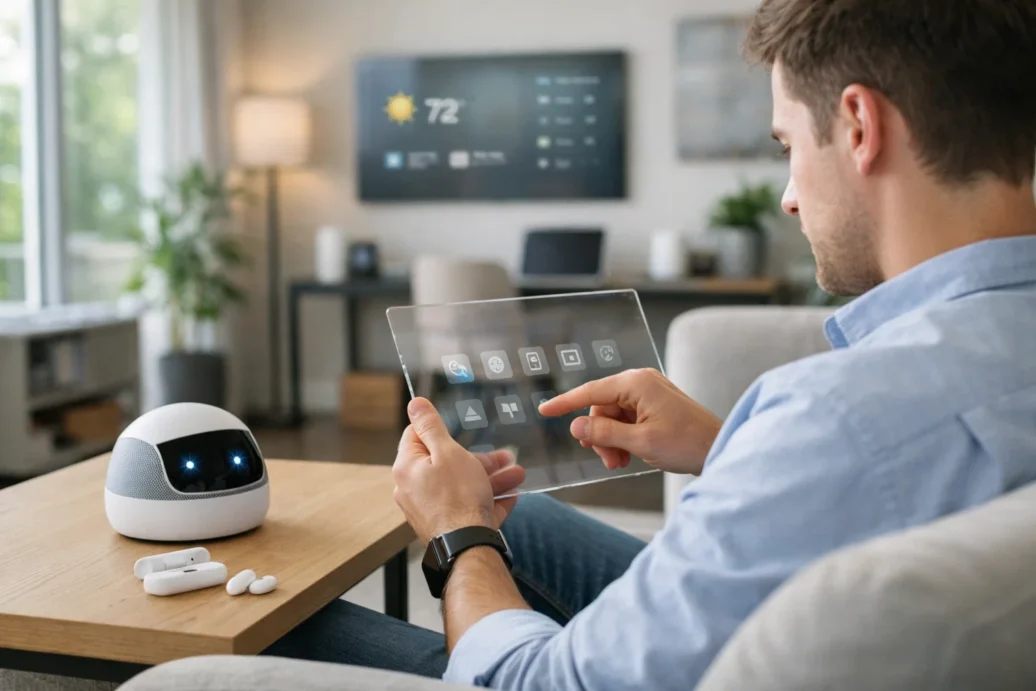
The smart home has finally matured from a collection of remote-controlled plugs into a fully automated ecosystem. AI-powered assistants no longer require you to memorize rigid voice commands. You can speak naturally, and the house understands exactly what you mean based on the context of the room.
Smart security systems have evolved far beyond simple motion detectors. Modern cameras use advanced facial recognition to distinguish between your family members, the mail carrier, and a potential intruder. They can even recognize the sound of breaking glass and alert local authorities instantly.
Energy efficiency is a massive selling point for these innovative gadgets for daily life. Smart electrical panels and predictive thermostats monitor grid pricing and weather forecasts. They actively reduce your utility bills by running heavy appliances during off-peak hours.
Consider a real-life example of a fully automated home. When your smart lock registers you leaving for work, it tells the thermostat to lower the heat. It commands the robotic vacuum to start cleaning and locks all secondary doors, entirely without your input.
Wearable Technology and Health Innovations
Wearables have made the biggest leap in utility, transforming from basic pedometers into clinical-grade health monitors. Advanced fitness trackers now monitor blood pressure, glucose trends, and hydration levels non-invasively. They give you a comprehensive dashboard of your physical state at any given moment.
Sleep and stress tracking have become incredibly precise. Smart rings and specialized biosensors measure heart rate variability and blood oxygen while you rest. When they detect rising cortisol levels during the day, they gently prompt you to take a breathing break.
Smart clothing is also hitting the mainstream market. Shirts woven with conductive threads can track muscle strain during a workout and correct your posture. These fabrics wash and wear just like normal clothes but house invisible, powerful sensors.
Integration with the broader USA healthcare system is a game changer. With your permission, your wearable tech can share irregular heart rhythms directly with your doctor. This creates a massive shift toward preventive healthcare, catching potential issues months before they become emergencies.
AI-Powered Personal Devices Changing Daily Life
Your smartphone remains the central hub, but it functions entirely differently now. AI smartphones act as proactive personal assistants rather than just passive screens. They organize your inbox, draft responses, and automatically block spam calls using deep learning algorithms.
Personalized automation saves you hours every week. If your phone notices you order takeout every Friday at 6 PM, it will pre-load your favorite order and ask for a quick confirmation. This level of predictive assistance reduces digital fatigue.
Smart earbuds now feature real-time language translation and advanced augmented reality (AR) audio. They can isolate the voice of the person sitting across from you in a noisy restaurant while canceling out background chatter. AR glasses are also becoming lighter, overlaying helpful navigation arrows right onto the sidewalk.
AI in productivity tools helps individuals focus on creative work. Everyday use cases include tablets that summarize long PDF reports in seconds or digital pens that instantly convert messy handwriting into formatted, actionable task lists.
Transportation Innovations and Smart Mobility
The way we commute is undergoing a massive overhaul. Electric vehicles (EVs) have become the standard, boasting extended ranges and lightning-fast charging times. Autonomous driving features have improved drastically, allowing cars to handle highway driving and complex parking situations flawlessly.
Smart navigation systems do more than show you the fastest route. They communicate with city infrastructure to anticipate traffic light changes and route you around sudden accidents. This significantly reduces commute times across major US cities.
Urban mobility gadgets offer incredible flexibility for the last mile of your journey. Lightweight, foldable e-scooters and electric bikes dominate city streets. They feature anti-lock brakes, smart locking mechanisms, and built-in GPS tracking to prevent theft.
Safety improvements are the real star of smart mobility. Vehicles now feature predictive collision avoidance systems that react faster than a human ever could. This technology actively protects drivers, cyclists, and pedestrians alike.
Gaming and Entertainment Technology Advancements
Entertainment gadgets deliver deeply immersive experiences that blur the line between reality and digital worlds. Virtual Reality (VR) and AR gaming headsets have shed their bulky cables and heavy battery packs. They offer photorealistic graphics and precise motion tracking in a lightweight, comfortable design.
Cloud gaming platforms have largely replaced expensive traditional consoles. You can stream massive, graphically intense games directly to your smart TV or tablet. All you need is a strong internet connection and a compatible wireless controller.
Smart TVs have evolved into massive, interactive hubs. They use AI to upscale older movies to 8K resolution and automatically adjust picture settings based on ambient room lighting. The audio systems bounce sound off your walls to create a theater-like surround experience without extra speakers.
Social entertainment brings people together across distances. You can sit in a virtual theater with friends from across the country to watch a live concert. The technology makes it feel like you are actually sitting right next to them.
Innovative Gadgets for Work and Productivity
The hybrid work environment is here to stay, and technology has adapted to support it fully. Smart desks track how long you have been sitting and automatically adjust to a standing position to keep you healthy. Ergonomic chairs feature built-in sensors to correct your posture gently.
AI-powered software tools manage the busywork so you can focus on deep thinking. Video conferencing cameras automatically track your face and adjust lighting so you always look professional. Microphones use AI to strip out background noise, like barking dogs or construction, completely.
Collaboration devices bridge the gap between remote and in-office workers. Interactive digital whiteboards allow team members to sketch ideas together in real-time, regardless of their physical location.
These work gadgets actively prevent burnout. By automating scheduling and minimizing technical friction, they help you maintain clear boundaries between your professional and personal life.
Pros and Cons of Upcoming Gadgets and Innovations
Embracing the latest technology trends in 2026 brings massive benefits, but it is important to view them objectively. Understanding both sides helps you make better purchasing decisions.
Pros:
- Increased efficiency and massive time savings through automation.
- Better health management through continuous, accurate biosensors.
- Enhanced home security and reduced energy consumption.
- Greater accessibility for individuals with disabilities through voice and gesture controls.
Cons:
- Valid privacy concerns regarding how companies store and use your personal data.
- High initial costs for premium, first-generation devices.
- The risk of overdependence, making it difficult to function if the network goes down.
- A steep learning curve for users who are not naturally tech-savvy.
Common Mistakes People Make When Adopting New Gadgets
Even smart consumers fall into predictable traps when buying future tech gadgets. The biggest mistake is buying products based purely on social media hype. Just because a gadget looks amazing in a highly edited video does not mean it fits your actual lifestyle.
Ignoring compatibility is another major issue. Buying a brilliant smart lock that refuses to communicate with your existing home hub creates massive frustration. Always verify that new devices support your current ecosystem, whether that is Apple, Google, or Amazon.
Many buyers fail to consider long-term usability and battery life. A health tracker is useless if it requires charging every six hours. You must evaluate how the device fits into your daily routine before swiping your credit card.
Overlooking security settings leaves your network vulnerable. People often leave default passwords on smart cameras or skip software updates. Finally, spending beyond your needs is common; you rarely need the “Pro” version if you only use basic features.
Comparing Current vs Upcoming Technology Trends
Looking back just a few years highlights how drastically things are changing. Between 2020 and 2024, technology was mostly reactive. You had to physically press a button or ask a specific question to get a result.
In 2026, technology is heavily predictive. The speed, intelligence, and automation levels have skyrocketed. Your devices now take action based on historical data and environmental cues without waiting for your command.
The user experience has completely transformed. We are moving away from screen-heavy interactions toward voice, gesture, and ambient computing. You spend less time staring at your phone and more time engaging with the real world while the tech works in the background.
Consider the difference in smart lighting. Five years ago, you used an app to turn on a bulb. Today, the lights slowly brighten to simulate a sunrise just before your alarm goes off, perfectly aligned with your sleep cycle.
What the Future Holds Beyond 2026
The pace of innovation shows zero signs of slowing down as we look toward 2030. AI will become increasingly human-like, capable of holding deep, contextual conversations and managing complex logistics. We will see fully connected smart cities where public transport, traffic lights, and energy grids communicate seamlessly.
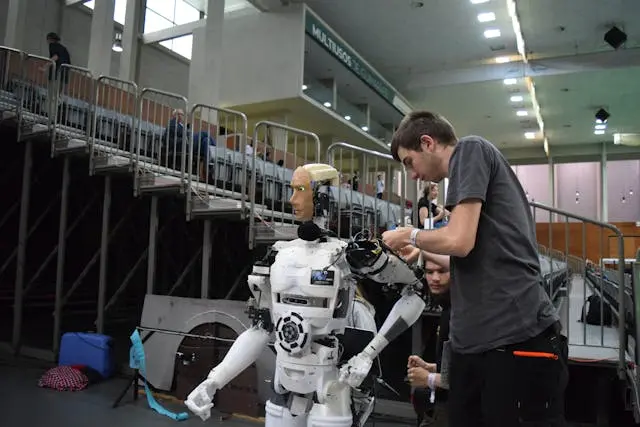
Advances in robotics will introduce highly capable physical assistants into our homes and workplaces. These robots will handle tedious chores like folding laundry, cooking basic meals, and providing physical support for the elderly.
However, this rapid growth will force us to face serious ethical and regulatory challenges. Lawmakers will struggle to keep up with data privacy issues, AI copyright rules, and the impact of automation on the traditional workforce.
Society will need to adapt carefully. Maintaining a balance between leveraging incredible technological power and preserving human connection will be our greatest challenge.
You May Like This:
Tech Giants Envision Future Beyond Smartphones 2026: What Comes Next After Mobile Devices?
Conclusion
The future tech gadgets of 2026 are not just flashy toys; they are powerful tools designed to improve your quality of life. From intelligent homes that lower your energy bills to wearables that actively protect your heart, the latest technology trends in 2026 offer incredible practical value.
Adapting to these changes requires a balanced approach. You do not need to buy every single new device that hits the market. Instead, identify the specific friction points in your daily routine and choose innovative gadgets for daily life that solve those exact problems.
Staying informed protects you from bad investments and security risks. By keeping a future-readiness mindset, you ensure that technology serves you, rather than the other way around. Embrace the innovations that give you back your time and peace of mind.
FAQ
Q1: What are the most important upcoming gadgets in 2026?
The most impactful gadgets are predictive smart home hubs, clinical-grade health wearables, and AI-powered AR glasses. These devices actively solve daily problems rather than just providing passive entertainment.
Q2: How will AI impact everyday gadgets?
AI allows gadgets to learn your habits and anticipate your needs. This means less manual input from you. Your devices will automate scheduling, optimize battery life, and personalize your digital experience automatically.
Q3: Are upcoming gadgets worth the investment?
Yes, provided they solve a real problem for you. Gadgets that save time, reduce utility bills, or monitor your health often pay for themselves. Avoid buying tech purely for the novelty factor.
Q4: What are the risks of using advanced technology?
The primary risks involve data privacy and network security. Storing deeply personal health and home data online always carries a risk of breaches. Overdependence on tech can also leave you stranded during power or internet outages.
Q5: Which industries benefit the most from innovation?
Healthcare and remote work are seeing massive benefits. Wearables are revolutionizing preventive medicine, while AI and collaboration tools are making hybrid work more efficient and less stressful than ever before.
Q6: How can users choose the right gadget?
Focus on compatibility with your existing devices and real-world usability. Read reviews from everyday users, check the battery life, and ensure the company provides regular, long-term software updates.
Q7: What trends will dominate beyond 2026?
Expect to see highly advanced domestic robotics, fully immersive augmented reality that replaces physical screens, and deeper integration of AI into city infrastructure and public transportation.
About the Author