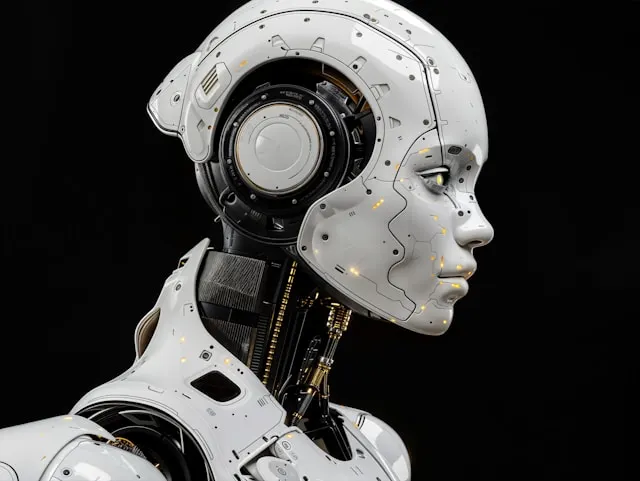

Introduction – The Role of Technology in Modern Life
If you stop for a moment and look around, it’s almost startling how seamlessly we’ve woven digital tools into the fabric of our existence. I remember just a few years ago when “smart living” felt like a futuristic concept reserved for tech enthusiasts. Now, in 2026, it’s simply the baseline for how we function. Whether it’s the AI that organizes our morning schedule or the wearable tech that nudges us to stand up, how technology is changing daily life has become the defining story of our decade.
Understanding this shift isn’t just about admiring cool gadgets; it’s about recognizing how our behaviors, relationships, and health are evolving. We aren’t just using technology; we are living alongside it. In this deep dive, I want to explore not just the shiny new tools, but the real, tangible impact they have on us—from the moment we wake up to the moment we disconnect (if we ever truly do).
Here is what we’ll cover:
- The evolution of tech from 2010 to today.
- How smart tools shape our morning, work, and evening routines.
- The pros and cons of this rapid digital transformation.
- Future trends we can expect to see very soon.
Quick Overview: What Is Changing?
How technology is changing daily life involves the integration of Artificial Intelligence (AI), Internet of Things (IoT), and automation into everyday tasks. In 2026, this means homes that self-regulate, personalized healthcare via wearables, and work environments that blend virtual and physical reality to boost efficiency and connectivity.
The Evolution of Technology and Daily Life
To really grasp where we are today, I think it helps to look back at the journey. It wasn’t an overnight switch. The evolution of technology in society has been a steady climb, but the last few years have felt exponential. Do you remember life before high-speed mobile internet? It feels like ancient history now.
In the early 2010s, smartphones were just starting to dominate. We used them mostly for texting and clumsy web browsing. By the time we hit the 2020s, the focus shifted to integration—making devices talk to each other. Now, in 2026, the focus is on anticipation. The technology doesn’t just react to what you do; it predicts what you need.
Comparing digital habits:
- 2010: We manually set alarms, physically went to rent movies, and “logging off” was actually possible.
- 2026: AI manages our wake-up lighting based on sleep cycles, entertainment is curated algorithmically, and connectivity is omnipresent via wearables.
This progression has fundamentally altered our expectations. We no longer tolerate friction. If an app takes three seconds to load, we feel frustrated. This shift in patience and expectation is a direct result of how embedded tech has become in our psyche.
How Technology Shapes Daily Routines
I’ve noticed the biggest shift in my own life is in the mundane, day-to-day structure. How tech influences daily routines is often subtle. You might not realize how much you rely on automation until the internet goes down. In 2026, the “smart home” isn’t a luxury; for many, it’s the standard for efficiency.
Mornings used to be chaotic. Now, virtual assistants often bridge the gap between sleep and work. My assistant reads me the news summary while I brew coffee—coffee, I might add, that was started automatically because my watch sensed I was awake. It sounds like sci-fi, but it’s just Tuesday.
Key integrations in 2026 routines:
- Automated Scheduling: Calendars that auto-negotiate meeting times with colleagues so you don’t have to send ten emails back and forth.
- Nutrition Apps: Smart fridges that track inventory and suggest recipes based on what is about to expire, reducing food waste.
- Fitness Tracking: It’s no longer just counting steps; devices now analyze recovery scores to tell you exactly how hard you should train that day.
Technology in everyday life acts as an invisible project manager. It handles the logistics of living so we can (theoretically) focus on the actual living part.
Communication and Social Interaction in the Digital Age
This is a tricky area. While technology in everyday life has made it easier to reach people, I sometimes wonder if it has made it harder to truly connect. We have more ways to talk than ever before—holographic calls, instant voice notes, and immersive social VR spaces—but the quality of those interactions is shifting.
In my experience, the digital age has created a paradox. We are hyper-connected yet prone to digital isolation. Group chats keep us in the loop with friends across the globe, which is amazing. I have friends in London and Tokyo I speak to daily. Without these tools, those relationships would fade. However, the downside is “digital fatigue.”
Consider these impacts on interaction:
- Messaging Apps: Great for quick coordination but often lead to misunderstandings due to lack of tone.
- Video Presence: High-def calls make remote relationships viable, bridging distances that used to break couples apart.
- Social Media: It keeps us updated but often fosters comparison and anxiety, affecting our self-esteem.
The effects of technology on society are visible in how we socialize. We often plan our social lives through apps, verify dates through profiles, and share memories instantly. The challenge in 2026 is maintaining the discipline to put the device down and look someone in the eye.
Education, Learning, and Skill Development
One of the most positive aspects of digital transformation in daily life is the democratization of learning. I’ve used e-learning platforms to pick up skills that would have required a university degree a decade ago. In 2026, the classroom is wherever you are.
AI tutors have changed the game for students. Instead of a one-size-fits-all lecture, students now get personalized guidance. If a child struggles with algebra, the AI adapts the explanation until it clicks. This personalized approach addresses learning gaps much faster than a traditional classroom setting could.
Modern learning tools include:
- Gamification: Apps that turn language learning or coding into addictive games, keeping motivation high.
- Virtual Classrooms: VR headsets that allow history students to “walk” through ancient Rome rather than just reading about it.
- Micro-learning: Bite-sized content consumption that fits into a commute, perfect for upskilling in busy schedules.
The essential skills for 2026 aren’t just reading and writing anymore; they are digital literacy, data privacy awareness, and understanding how to collaborate with AI tools.
Workplace Transformation and Productivity
The 9-to-5 grind has been thoroughly dismantled by technology. How technology is changing daily life is perhaps most visible in our careers. The hybrid work model, which was a necessity years ago, has refined into a seamless ecosystem. I rarely go into a physical office, yet I collaborate with my team more closely than ever.
Remote work tools have evolved beyond simple video chats. We now use collaborative whiteboards and AI-driven project management software that predicts bottlenecks before they happen. This boosts efficiency, but it comes with a cost: the blurring of boundaries. When your office is in your pocket, it’s hard to ever truly “leave” work.
Workplace shifts:
- AI Analytics: Tools that analyze workflow to suggest when you are most productive and when you should take a break.
- Asynchronous Communication: Moving away from instant meetings to recorded updates, allowing deep work without interruptions.
- The Cons: The pressure to be “always-on” can lead to significant burnout if not managed with strict personal rules.
Freelancers and corporate employees alike are navigating this new terrain, finding that while we have more flexibility, we require more self-discipline to manage it.
Health, Fitness, and Wellbeing
I honestly believe the impact of technology on daily life is most critical in healthcare. We have moved from reactive medicine (going to the doctor when you’re sick) to proactive wellness (preventing sickness before it starts).
Wearable devices in 2026 are medical-grade. They monitor heart rate variability, blood oxygen, and even stress markers in real-time. I’ve seen friends catch potential heart issues early just because their watch alerted them to an irregularity. That is life-saving technology sitting on your wrist.
Key health integrations:
- Telemedicine: AI-powered diagnosis tools allow for preliminary check-ups from home, saving hospital visits for serious cases.
- Mental Health Apps: access to digital therapy and meditation guides that are personalized to your current mood and stress levels.
- Sleep Tech: Smart mattresses and environmental controls that adjust temperature to ensure deeper REM cycles.
While these tools are incredible, they can also lead to obsession. It’s easy to get fixated on the numbers rather than just listening to your body.
Entertainment, Leisure, and Lifestyle
When we finally clock off, technology in everyday life dominates how we relax. The era of “appointment television”—where you had to be on the couch at 8 PM—is dead. Entertainment in 2026 is on-demand, immersive, and hyper-personalized.
Streaming platforms don’t just recommend movies; they curate entire evenings based on your mood. If you’re feeling nostalgic, the AI knows exactly which 90s sitcom will cheer you up. Furthermore, gaming has exploded into the mainstream through AR (Augmented Reality) and VR.
Leisure trends:
- Immersive Gaming: VR worlds where social interaction and gameplay blend seamlessly.
- Content Creation: AI tools allow anyone to create high-quality music, art, or video content, lowering the barrier to entry for hobbies.
- Influencer Culture: Social media trends dictate where we travel, what we eat, and how we dress, creating a feedback loop of lifestyle aspiration.
The danger here is the algorithm bubble. If we only consume what the computer thinks we like, we miss out on the joy of discovering something totally unexpected.
Pros and Cons of Technology in Daily Life
It is important to be realistic. How technology is changing daily life isn’t purely a fairytale of convenience. There are significant trade-offs that we make for this digital lifestyle.
The Pros:
- Convenience: Tasks that took hours now take minutes. Banking, shopping, and administration are almost instant.
- Access: Information is free and available. You can learn anything, anywhere.
- Safety: Smart security systems and health monitoring keep us safer than before.
The Cons:
- Privacy Erosion: We trade our data for convenience. It’s getting harder to remain private in a connected world.
- Social Skills: Younger generations sometimes struggle with face-to-face conflict resolution because it’s easier to block someone than talk it out.
- Sedentary Lifestyle: Because everything is delivered to us, we move less, contributing to health issues despite our fitness trackers.
Balancing these factors requires active effort. We have to choose to disconnect.
Common Mistakes People Make with Technology
I’ve made plenty of mistakes navigating this digital landscape, and I see others making them too. The biggest one is passivity. We let technology happen to us, rather than using it intentionally.
One frequent pitfall is over-reliance. I once panicked because I couldn’t unlock my smart lock when the battery died, realizing I didn’t know where the physical key was. We often forget that analog backups are necessary.
Common errors include:
- Poor Digital Hygiene: Reusing passwords or ignoring software updates, leaving personal data vulnerable to theft.
- Doomscrolling: Losing hours to social media feeds that offer no value, only dopamine hits.
- Ignoring Tech-Free Time: failing to schedule periods of disconnection, which is essential for mental clarity and creativity.
Correcting these mistakes starts with setting boundaries—like “no phone” zones in the house or specific times for checking email.
Future Trends – What’s Next for Technology in Daily Life
So, what is coming next? If 2026 feels advanced, the next few years will be about seamlessness. Digital transformation in daily life will move from devices we hold to environments we inhabit.
I expect to see a massive expansion in IoT (Internet of Things) and Smart Cities. Imagine traffic lights that communicate with cars to eliminate jams, or waste management systems that optimize pickup routes autonomously.
Upcoming trends:
- Augmented Reality (AR) Everywhere: Glasses or contact lenses that overlay digital information onto the real world—directions, translation, or data—without looking down at a screen.
- Advanced AI Assistants: Assistants that can handle complex negotiations or creative tasks, acting more like partners than tools.
- Ethical AI: A stronger societal push for transparency in how algorithms make decisions that affect our lives.
The effects of technology on society will continue to grow. The question isn’t whether tech will advance, but whether we can mature alongside it to use it wisely.
Conclusion
As we look at how technology is changing daily life, it’s clear that we are in a period of profound transformation. From the way we work and learn to how we monitor our health and connect with loved ones, digital tools are the scaffolding of modern existence.
I believe the key to thriving in 2026 is intentionality. Technology makes a wonderful servant but a terrible master. If we use these tools to free up time for what truly matters—creativity, family, and rest—then we are winning. But if we allow them to dictate our attention and self-worth, we lose something vital.
Key Takeaways:
- Embrace Automation: Use smart tools to handle the mundane so you can focus on the meaningful.
- Guard Your Health: Use wearables for insights, but don’t let data override your intuition.
- Stay Human: Prioritize face-to-face connection and unplug regularly to reset your mind.
The future is bright, and it is undeniably digital. Our job is to ensure it remains human, too.
FAQ – Common Questions About Technology in Daily Life
How is technology improving daily life in 2026?
Technology improves daily life by automating mundane tasks, enhancing healthcare through proactive monitoring, and providing flexible work options. It connects us instantly with information and people, making life more efficient and opening up learning opportunities that were previously inaccessible to many.
What are the negative effects of technology on daily routines?
The downsides include increased sedentary behavior, eye strain from screen time, and the blurring of work-life boundaries. Over-reliance on tech can also lead to a loss of basic skills and heightened anxiety due to information overload or social media comparison.
How can I use technology without harming my mental health?
To protect your mental health, establish strict boundaries. Turn off non-essential notifications, schedule “tech-free” hours (especially before bed), and curate your social media feeds to ensure they are positive and inspiring rather than draining.
What role does AI play in modern daily life?
AI acts as a personal facilitator. It powers your recommendation engines (Netflix, Spotify), manages smart home energy efficiency, assists in drafting emails, and even helps doctors analyze medical scans with greater accuracy. It is the invisible engine behind modern convenience.
How is digital transformation changing workplaces and education?
It is making them more flexible and personalized. Workplaces are adopting hybrid models with AI productivity tools, while education is shifting toward adaptive learning platforms that tailor the curriculum to the individual student’s pace and style.
Which technologies are most influential in everyday life?
Smartphones remain the central hub, but wearable health tech, smart home assistants (IoT), and AI-driven software (like ChatGPT-style assistants) are the most influential in shaping our moment-to-moment behaviors and decisions.
Can technology help improve productivity and wellbeing simultaneously?
Yes, if used correctly. Apps can track focus time to prevent burnout, while health tech ensures you are moving enough and sleeping well. The key is using tech to support your biological needs rather than suppressing them for the sake of working longer hours.
You May Like This
About the Author